What we learned: Rocky Mountain Reserve’s perspective post-implementation
One Year Later: Was the Move Worth It?
Changing a benefits administration platform is a major undertaking. There’s implementation to manage, clients and participants to transition, and a big question hanging over the process: Will the payoff be worth the effort?
For Rocky Mountain Reserve (RMR), the answer became clear over time. RMR moved its CDH business to Elevate with ambitious goals: modernize technology, reduce manual work, improve the participant experience, and create a stronger foundation for growth.
One year later, RMR has the data to answer the question.
Background: Vision for modern consumer tech
Jordan and Tucker Davis, president and COO of Rocky Mountain Reserve, grew up in the family business, even stuffing envelopes during their teen years. But when they entered the workforce, they chose fields outside traditional benefits administration: Jordan at Apple and Tucker as a CPA at a Big Four firm. When the time was right to take over the family business, they saw an industry ready for modern technology.
Everyone expects their financial tools to feel intuitive, but existing platforms were sorely lacking. Partnering early with Elevate allowed RMR to help build features and establish a long-term foundation.
The goal was to find a platform that delivered a modern consumer interface while solving the underlying complexities of plan administration.
"It’s really easy to build a really sexy HSA app. It’s really hard to think through the nuance of how you navigate spending accounts and HRA rules... and we found Elevate was thinking deeply about those things."
– Jordan Davis, President, Rocky Mountain Reserve
Migration realities: What we learned in the field
RMR moved a six-figure participant population and thousands of employers. Making such a major change involves challenges and steep learning curves. Looking back at the process, RMR highlighted some best practices:
- Carefully timed migration waves: RMR structured the transition into tightly spaced waves. The team was able to run Wave 1 while preparing Wave 2, and simultaneously sending Wave 3 communications. The compressed timing put short term impact on service teams, but ultimately reduced overall impact.
- Plan ahead for HSA custodial logistics: While FSA migrations were straightforward with standard blackout periods, HSA transfers came with common industry issues: trailing checks, participant transfer timelines, and lingering account attribution from prior custodians.
- The advantage of mid-year FSA transitions: RMR ultimately chose to migrate 90% to 95% of their FSAs mid-plan year rather than during the peak January 1 renewal cycle. This freed up internal capacity and avoided peak open enrollment bottlenecks.
- True partner support matters: Moving systems inevitably bring challenges. Having a dedicated implementation team working side by side to solve problems made all the difference.
"The migration wasn’t easy, but the overwhelming feedback from our team is that it was worth it. We're really happy with where we are today."
– Tucker Davis, COO, Rocky Mountain Reserve
What made the migration easy
While transitioning hundreds of thousands of participants is difficult, several factors kept the momentum going and simplified the path forward:
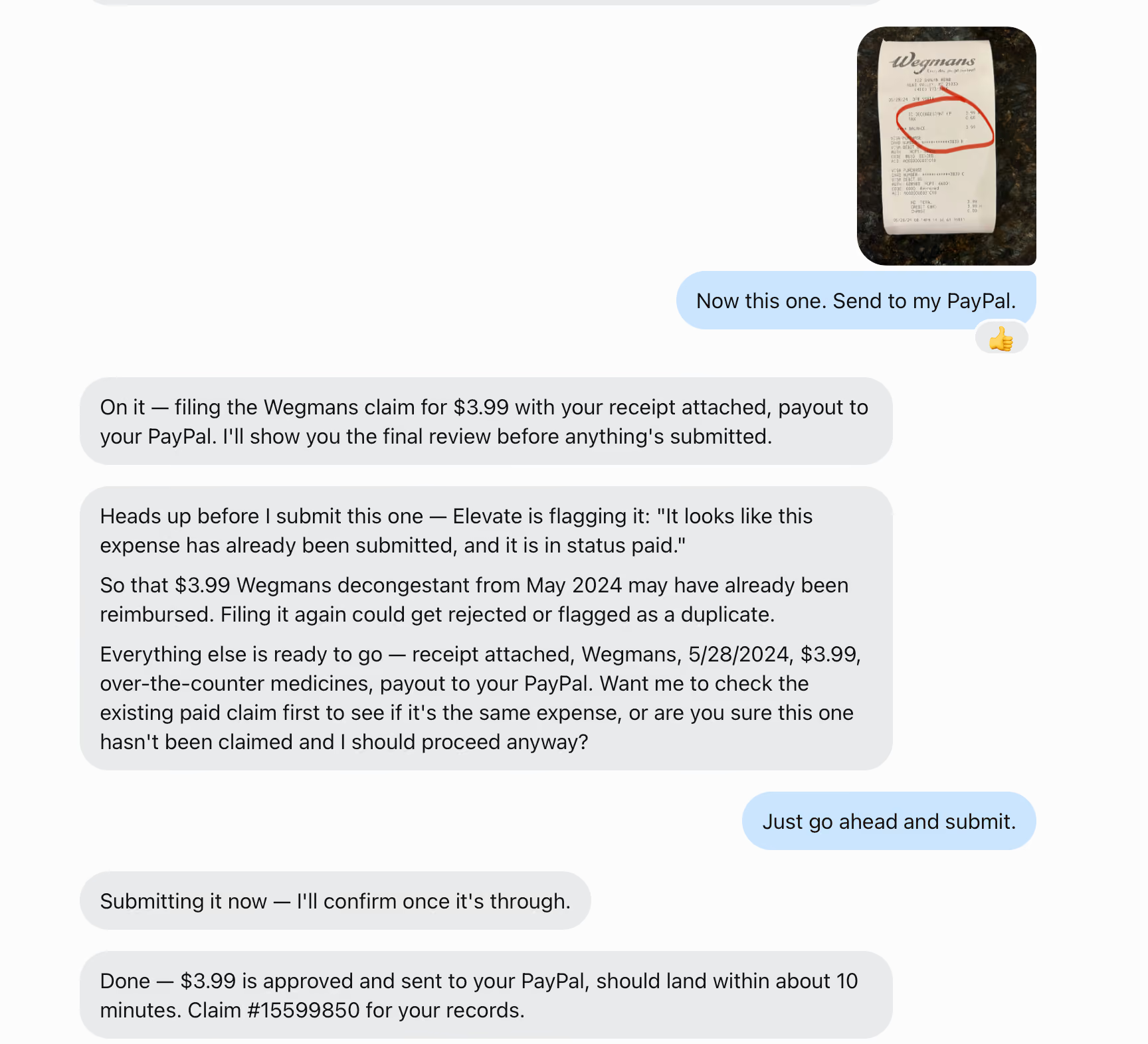
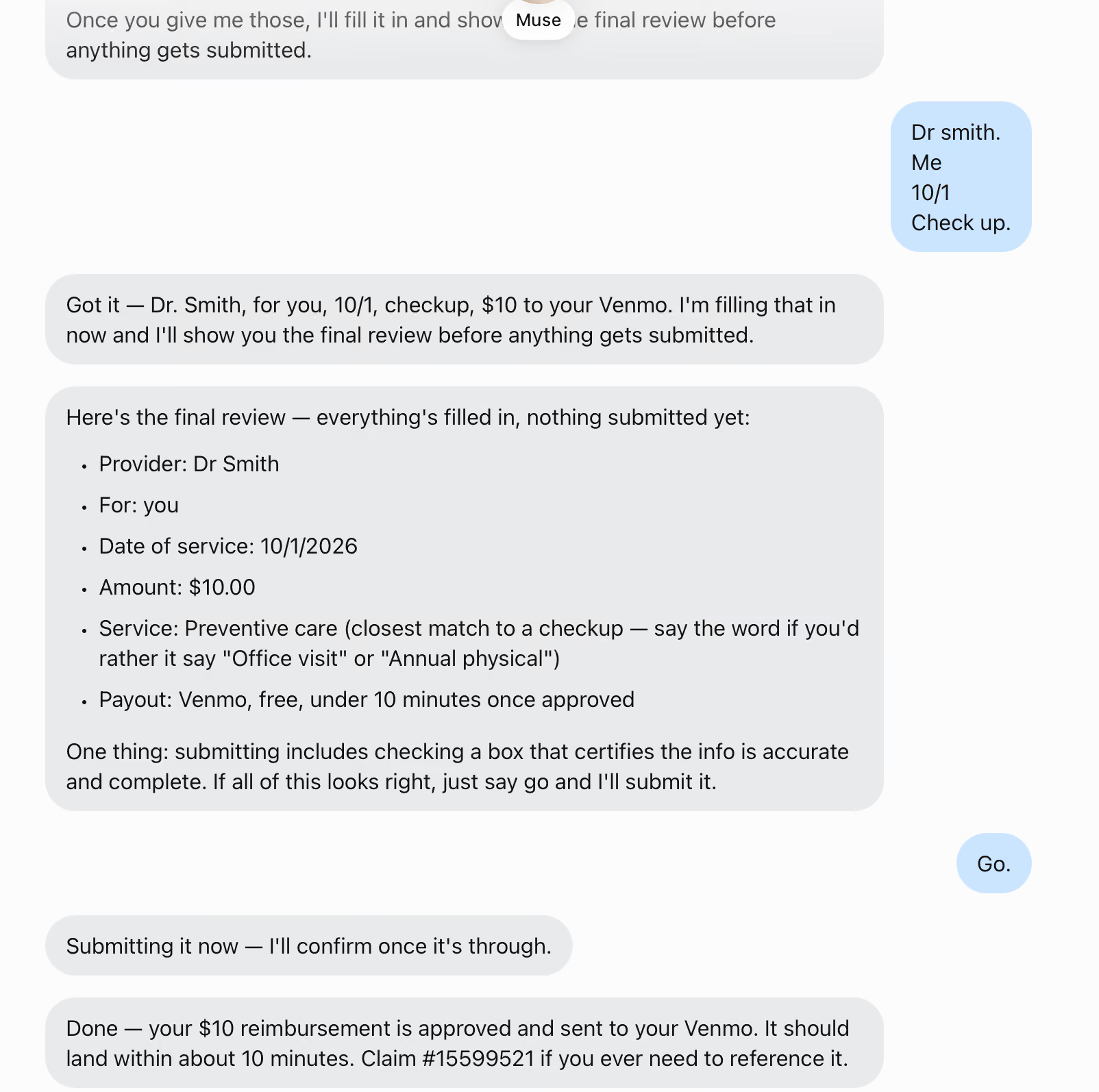
- The product sold itself to employers and participants: Having upgrades to showcase helped with difficult change-management conversations. Instead of framing the migration as internal administrative maintenance, RMR could present practical benefits to plan sponsors. Features like real-time reimbursements, simplified claim submissions, and modern digital payment integrations gave participants immediate wins.
"It's so much easier to go to employers and say, 'This transition is going to be hard, but here are 10 awesome things you're going to see with your account. Your participants are going to get to use Venmo and get their money in 30 seconds.”
– Tucker Davis
- Clear internal buy-in across teams: RMR’s internal teams recognized early that the platform solved daily administrative issues. Knowing that single-screen claims adjudication, automated EDI error handling, and fewer manual adjustments awaited them on the other side kept internal morale steady during the heaviest waves.
- Collaborative vendor support: Elevate embedded directly with RMR's operations rather than handing off generic migration guides. Having direct access to engineers and platform experts meant edge cases, unexpected file format issues, and roadblocks were quickly diagnosed and solved.
"The RMR team really brought a spirit of entrepreneurship with them to the partnership. It was a win-win. RMR got to get exactly what they wanted by participating in the design process, and we got to build new features alongside a high-performing TPA that knew exactly what it wanted."
– Brian Cosgray, CEO, Elevate
- A custom-branded experience: Elevate’s interface was adapted to reflect RMR’s specific brand identity, matching colors, fonts, and styling rather than feeling like a generic software skin. This consistency gave clients confidence through the onboarding phase and reinforced RMR’s brand.
- The freedom of mid-year FSA timing: Shifting the vast majority of FSA accounts mid-plan year rather than during the standard January 1 crunch created some breathing room. Running the rollout away from peak open enrollment allowed support desks to focus entirely on migrating groups without compounding standard year-end renewal chaos.
Growth, win rates, and broker alignment
Once live, the benefits of modern technology quickly outweighed the initial migration effort. The platform has become an engine for business growth.
- Higher close rates: In a market where many TPAs present the exact same legacy software portals, the RMR team realized that their new, fully tailored and branded interface immediately stands out.
"On the tech side, I love demoing the platform because the feedback is just so positive about how intuitive it is. There are a few really painful points that we removed, like the claim submission and the adjudication process, and that is really fun to highlight.”
– Tucker Davis
- Stronger broker engagement: Brokers often see the same repetitive platforms across vendor pitches. Demonstrating modern features gives brokers a tangible reason to recommend RMR.
- More satisfied internal teams: By reducing repetitive tasks like password resets, team members can spend more time on client consultations, account management, and customer service initiatives.
Wins you can measure
So was it worth the trouble? The answer from RMR executives and internal teams is a resounding yes. One year later, the impact is showing up across the business:
- 25% to 40% reduction in call volume: Overall support inbound volume significantly dropped.
- Faster claims adjudication: Single-screen options removed multi-tab navigation, so the claims team could process submissions faster without adding headcount.
- Reconciliation and reporting accuracy: RMR eliminated manual tracking of returned checks and disconnected fund transfers. Accurate financial reporting is a major benefit of using Elevate. RMR's previous system often required extensive reconciliation because of returned checks, adjustments, and one-off transactions. With Elevate, RMR has greater confidence that money movement and reporting remain balanced and accurate.
- Post-launch adaptability: While the first four months required establishing a regular cadence for feature updates, RMR was able to quickly build the internal training routines needed to keep pace with Elevate's feature releases.
Building with open APIs and AI
One of the biggest changes for RMR has been the ability to use Elevate’s APIs as the foundation for its own technology strategy.
RMR brought file feeds completely in-house, using APIs to automate data ingestion, process updates, and identify enrollment errors faster. Plan structures and employer account data can also feed directly into internal CRM tools, giving teams access to current information without maintaining separate records.
EDI processes have changed significantly as well. Instead of relying on disconnected workflows, RMR can move data between systems, automate more of the error-handling process, and give employers and plans greater flexibility to keep information in sync.
“It’s night and day from what it was previously for us. We’re able to leverage the API much more for ingesting and digesting errors, syncing plan data with our CRM tools, and pulling and pushing data where we need it. There are tools we simply weren’t able to use before that we can use now. Our team is now looking at this API like the world is their oyster.”
— Tucker Davis
Customer service takes a leap forward
That API access is also changing how RMR serves participants.
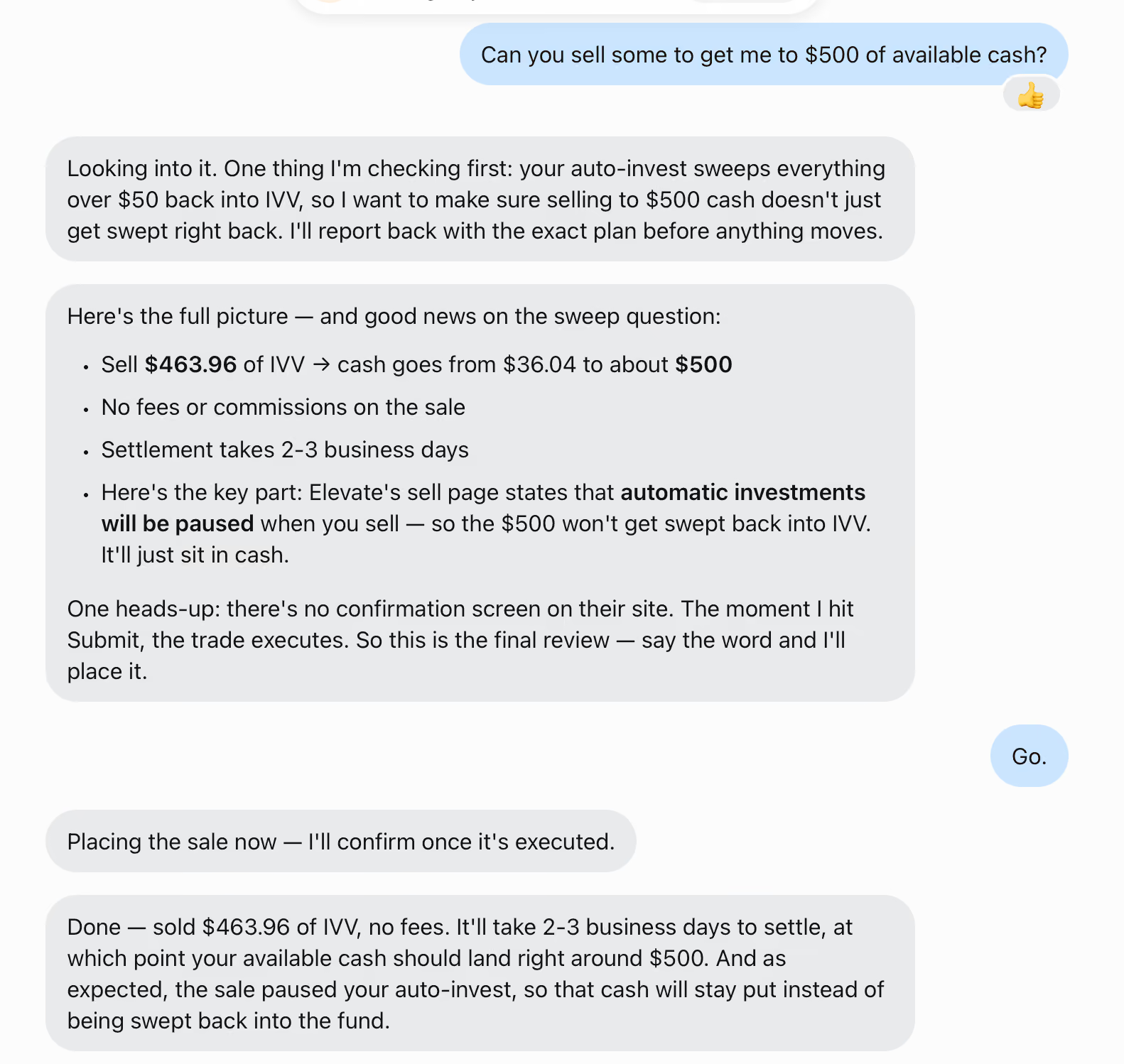
RMR is using real-time account data to support AI across voice, email, and chat. Routine requests like checking balances, replacing debit cards, confirming mailing addresses, and explaining recent transactions can increasingly be handled without requiring an agent.
For calls that do need a person, RMR is working toward automatically surfacing participant information inside its ticketing system. The goal is for agents to immediately see relevant account details, understand likely reasons for the call, and have the information they need to resolve issues faster.
"“This is a huge leap forward for customer service. We can automate the routine questions and give our people the information they need the second a participant calls. That completely changes what our service team can do.”
— Tucker Davis
Looking ahead
Platform migrations take effort and planning, but modernizing the participant and admin experience delivers genuine returns, not to mention the positive impact on internal teams who now can depend on automation to remove the repetitive tasks that once bogged them down. Today, RMR is using open APIs and integrations to provide faster service and continue improving the way they do business.
“A year later, we’d absolutely make the same decision again. It was a lot of work to get here, but we’re in a much better place today. And honestly, it feels like we’re just starting to see what we can do with the platform.”
— Jordan Davis
FAQs